
PRECISION EDGE ROLLING & METAL DEBURRING SPECIFICATIONS

Precision edge conditioning is essential for industries including medical device manufacturing, automotive component production, electronics housing fabrication, and consumer goods, where safety and aesthetics are critical concerns. We can run metal through an edging and deburring process that adds a “safety edge” to your final products.

Edge rolling capacity: 1/2” to 10” wide; deburring capacity: 1/2" to 10” wide.

STANDARD AISI METAL EDGE TYPES & SPECIFICATIONS

  • No 1 Round Edge: Approximate radius equal to 1/2 the thickness

  • No. 2 Mill Edge: Hot rolled or cold rolled edge, naturally formed 

  • No. 3 Slit Edge: Approximately square edge, slitting burr intact

  • No. 4 Round-Cornered Edge: Rounded edge, slitting fracture may be visible 

  • No. 5 Deburred Edge: A safety edge - No. 3 edge with the slitting burr rolled over

  • No. 6 Square Edge: Square with radial corners, a slitting fracture may be visible
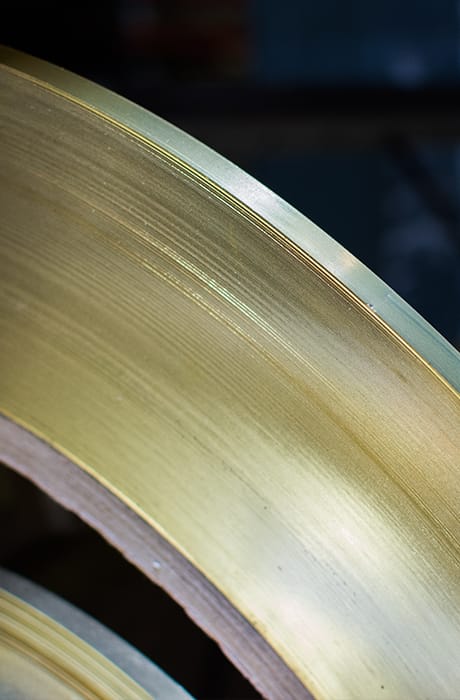
Precision edge rolling process on metal sheet showing smooth edge finish - Mead Metals

Frequently Asked Questions

What is metal edge conditioning?
Metal edge conditioning is a finishing process that removes sharp edges, burrs, and slitting fractures from metal strip and coil. The result is a safer, more consistent edge that reduces cut hazards in handling, improves part consistency in assembly, and meets the appearance and safety requirements of industries like medical devices, automotive, electronics, and consumer goods. 
What edge types does Mead Metals offer?
We work with the full range of standard AISI edge types, from mill edge (No. 2) through square edge (No. 6), including the most common request — No. 5 deburred/safety edge, which rolls over the slitting burr for a clean, safe finish. If your print specifies an edge type, tell us and we'll match it. If you're not sure what you need, your sales rep can help you choose based on your application.
What are Mead's edge conditioning capacity specs?
Our edge rolling and deburring capacity runs from ½" to 10" wide. If your material falls within that range, we can condition it. For widths outside that range, contact us and we'll discuss options.
Why does edge conditioning matter for downstream production?
Sharp or inconsistent edges create problems that show up later — cut injuries in receiving, assembly issues, and cosmetic defects on finished parts. Edge conditioning eliminates those failure points before the material reaches your floor. That's the kind of upstream quality work that prevents downstream headaches. We consider that part of the Mead Edge: our commitment to being a full-service partner.
Looking for sheet or coil?  Let us know what you need and when you need it, and we’ll provide you with a  quote. Get A Quick Quote