Posted by: Brian Rothstein
on December 31, 2025 | 5 min. read
on December 31, 2025 | 5 min. read
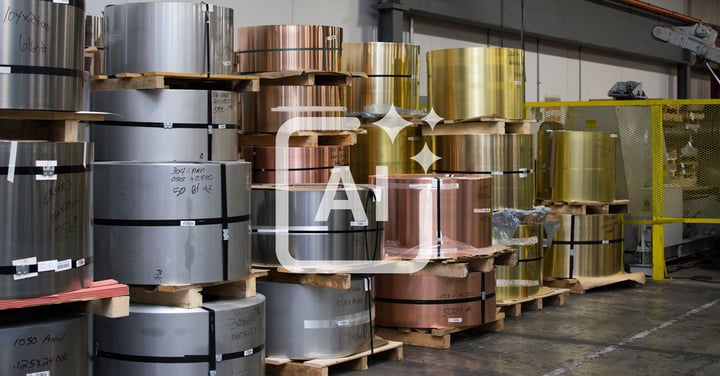

As we enter 2026, the metal industry faces unprecedented transformation driven by artificial intelligence infrastructure, supply chain evolution, and shifting global trade dynamics. For metal buyers and purchasing managers, understanding these forces is essential for strategic procurement planning.
Last year delivered dramatic market divergence. Gold gained over 40% and silver surged more than 100%, driven by central bank buying and industrial demand. Meanwhile, carbon steel faced oversupply as Chinese production created 700 million tonnes of excess global capacity.
Most significantly, 2025 marked AI infrastructure's emergence as a major market force. North American data center spending reached $50 billion, laying groundwork for the massive material demands now defining 2026.

AI infrastructure is transforming metal markets. Goldman Sachs projects a 165% increase in data center power demand by 2030, with the most aggressive growth happening now. By year-end 2026, global data center capacity will more than double from 2023 levels to approximately 122 gigawatts.
 A conventional data center uses 5,000-15,000 tons of copper. A hyperscale AI facility requires up to 50,000 tons. By 2030, data centers will consume between 330,000 and 1.1 million tonnes of copper annually—up to 3% of global demand.
The impact is immediate. The International Copper Study Group projects a refined copper shortfall of 150,000 tonnes in 2026, reversing previous surplus forecasts. JPMorgan expects copper to reach $12,500 per ton in Q2 2026, with UBS projecting $13,000 by year-end.
Silver faces a supply-demand squeeze from solar energy, 5G infrastructure, and AI data center components. Industrial demand now accounts for more than half of total consumption. Analysts project another 8% price increase in 2026 following last year's dramatic gains.
Beyond copper and silver, each hyperscale AI data center requires:
The pandemic-era shift toward domestic sourcing has become strategic imperative. Extended overseas lead times, currency fluctuations, and port disruption risks continue driving manufacturers to U.S. suppliers.
2026 drivers:
Domestic supplier advantages:
However, domestic capacity constraints require earlier planning and strategic supplier partnerships.

The Federal Reserve's gradual rate reductions from the 5.25%-5.50% range should stimulate capital-intensive sectors, boosting equipment purchases, facility expansions, and inventory investment.
Demand patterns show regional divergence:
Manufacturing outlook:
The EU's Carbon Border Adjustment Mechanism moves toward full implementation in 2026, fundamentally changing global metal trade. U.S. exporters to Europe face additional costs on carbon-intensive products, increasing demand for low-carbon production methods.
Clean energy continues driving demand for:
China's Overcapacity creates pricing pressure but raises concerns about predatory practices and potential supply disruptions.
Critical Mineral Concentration: China controls 60% of rare earth refining. As AI and defense applications grow, supply chain security becomes critical.
Mining Disruptions: Copper mine issues in Chile, Peru, and Indonesia contribute to supply deficits. Political instability in producing regions creates ongoing uncertainty.
Trade Policy Uncertainty: New tariffs and evolving trade relationships complicate procurement planning.

Automotive: EV production drives copper demand (80-100 kg per EV vs. 20-30 kg for combustion vehicles) and increases aluminum use for weight reduction.
Aerospace and Defense: Strong growth from increasing budgets globally, with AS9100-certified suppliers facing capacity constraints.
Renewable Energy: Wind and solar installations drive specialty metal demand for copper, specialty steels, silver, and aluminum.
In constrained supply environments, transactional relationships are insufficient. Strategic partnerships provide priority allocation, market intelligence, technical support, and value-added services.
Just-in-Time Plus: Minimal inventory for stable materials, strategic buffers for constrained items.
Multi-Sourcing: Develop relationships with multiple qualified suppliers.
Forward Contracting: Lock in supply at fixed or formula-based pricing for high-volume materials.
Consider lead time impacts, quality consistency, technical support, value-added processing, and supply reliability—not just price per pound.
Gain rapid response, direct technical communication, simplified logistics, and reduced international exposure.
Consider alternative materials, design modifications, advanced manufacturing techniques, and supplier technical consultation where supply or pricing challenges exist.
 Over six decades, we've navigated numerous market cycles by:
The 2026 metal market presents complexity but also opportunity. AI-driven copper demand, continued reshoring, and carbon-related trade measures create challenges for well-prepared buyers to turn into competitive advantages.
Success requires strategic thinking beyond transactional purchasing, strong supplier relationships, market intelligence, operational excellence, and willingness to adapt.
At Mead Metals, we're committed to being your strategic partner—whether you need specialty metals for AI infrastructure, AS9100-certified aerospace materials, or reliable supply processed to exact specifications. If you'd like more information on how to stay ahead of the game, our experts have put together a comprehensive guide on purchasing metal products. This guide provides strategies to help you save time and make the most of your budget.